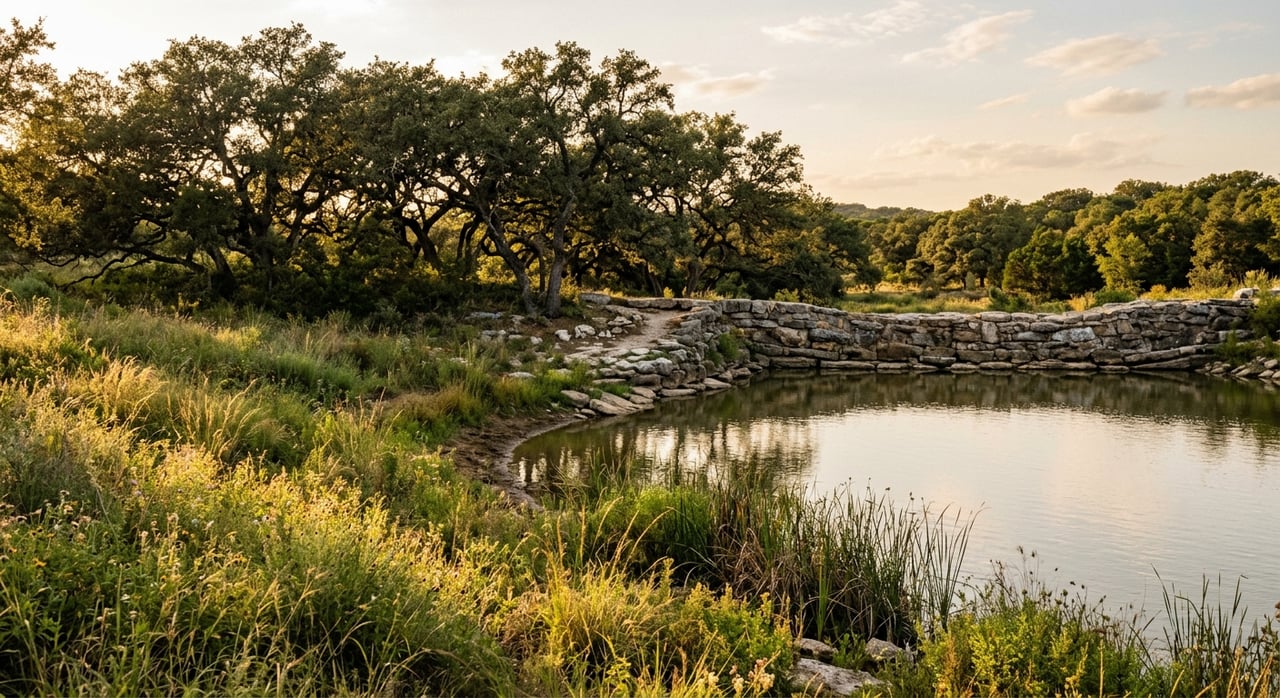
Getting a ranch ready to sell in Erath County usually has less to do with throw pillows and fresh paint than most people think. Buyers looking at rural property want to understand what the land is, how it works, how it is taxed, and how easy it is to access and use. If you want a smoother sale and fewer surprises, it helps to prepare the paperwork, physical access points, and property details before you ever set a price. Let’s dive in.
Start With the Property Records
Before your ranch hits the market, gather the records that explain the property clearly. That includes the deed, legal description, and any recorded liens, releases, or other land records tied to title history. In Erath County, the County Clerk’s land records office handles those filings, and the county notes that the online clerk database is not the official repository and may not show complete, unaltered records.
You should also check the current appraisal record before listing. Erath County says the Erath County Appraisal District, not the county tax office, maintains ownership records, identifies taxable property, determines market value as of January 1, and decides whether exemptions apply. That makes the appraisal record one of the first places to review for ownership details, legal description, and tax-related status.
If your ranch has agricultural or wildlife use, gather those records too. Erath CAD maintains forms for Agricultural 1-d-1 applications, wildlife management paperwork, and related property tax forms, so having your current documents ready can save time once buyers start asking questions.
Confirm Agricultural Appraisal Status
One of the biggest mistakes rural sellers make is assuming ag status is simple. In Texas, agricultural appraisal is based on productivity value, not market value. That means the tax treatment of your land is tied to qualifying use, not just the fact that the tract is rural.
The Texas Comptroller says qualifying land must be devoted principally to agricultural use, used to the degree of intensity generally accepted in the area, and devoted to agricultural or timber production for at least five of the past seven years. If that use changes to a non-agricultural use, rollback tax for the prior three years plus interest may apply for land under 1-d or 1-d-1 appraisal.
For Erath County specifically, local intensity standards matter. Erath CAD states that a tract generally must be at least five acres, excluding the house-site, to qualify for 1-d-1 agricultural appraisal, unless a smaller tract is operated with a larger tract in Erath County. The same standards note that houses, barns, sheds, silos, and other farm buildings are appraised separately at market value, while fences are treated as appurtenances and are not appraised separately.
That distinction is important when you prepare your ranch for market. The buyer may care about the tax treatment of the land, the value of the improvements, and whether current use can continue after closing. A clean packet showing ag history, current use, and improvement details can help buyers understand the property faster.
Wildlife Management Needs Documentation Too
If your ranch is under wildlife management rather than a traditional livestock operation, do not leave that explanation vague. The Texas Comptroller says wildlife management can qualify for special agricultural appraisal when the property meets applicable requirements. Erath CAD also provides wildlife management forms.
For a buyer, this is not a small detail. It affects how they view the land’s current use, tax treatment, and future planning. If wildlife management applies, include the current plan or supporting records in your pre-listing file.
Clean Up What Buyers See First
On a ranch, first impressions usually start at the gate, the road, and the entry. Texas A&M rural land research shows that well-located properties with strong features like fences and water continue to attract buyer interest. That makes practical improvements and visible upkeep more important than cosmetic staging in many rural sales.
Take a hard look at your entrance and approach. If gates drag, fences sag, culverts look washed out, or the drive feels neglected, buyers may start worrying about deferred maintenance before they ever step out of the truck. Even simple cleanup can make the property feel easier to own and operate.
Erath County regulations also make road and access details worth reviewing early. The county defines a road as vehicular access including culverts and bridges, notes that owners are responsible for subdivision road maintenance until the county accepts the roads, and allows the county to require internal road systems and driveway connections that reduce direct access to arterial roads.
If your property includes private roads, shared access, or a long internal drive, buyers will want those details explained clearly. A ranch that is easy to enter, easy to tour, and easy to understand tends to show better and create less hesitation.
Make the 911 Address Visible
A simple roadside detail can matter more than many sellers expect. Erath County says property owners must post the assigned address at the roadside entrance and or on the structure, and the number must be visible from the road. For long driveways or private lanes, an additional address number may be needed at the driveway intersection.
The county also says the number should be reflective and visible day and night. If your ranch address marker is faded, missing, or hard to spot, replace it before listing. This helps with showings, inspections, emergency access, and overall presentation.
Review Easements and Driveway Issues
If access comes through another property, get your easement paperwork together before buyers ask for it. Erath County says that when access is through another property’s easement, a copy of the granted easement should be included in the county’s addressing process. If access is off a state highway or FM road, a TxDOT driveway permit may be required.
Even if you have lived with the access for years, buyers and lenders may need more clarity than you do. Clean documentation helps reduce uncertainty and can keep a good deal from slowing down over preventable questions.
Get Water and Septic Information in Order
For many rural buyers, water and wastewater details are core property questions. If the ranch has a septic system, Erath County says on-site sewage facilities are septic systems, and the county Environmental Health office provides information, permitting, and inspection for new and existing systems.
That means you should gather any septic permits, maintenance records, and system information you have before going to market. If parts of the property have had improvements or repairs tied to septic, having those records ready can help answer buyer questions quickly and keep negotiations more straightforward.
Floodplain issues should also be addressed early if they apply. Erath County’s land development guidance states that any construction within a FEMA-recognized flood zone requires a permit before work starts. If your ranch has structures, crossings, or improvements in a flood-prone area, organize any related permit history so buyers have a clearer picture.
Prepare Disclosures for Homes and Improvements
If your ranch includes a dwelling, seller disclosures matter. The Texas Real Estate Commission seller’s disclosure notice is the standard Texas form referenced under Property Code Section 5.008. For homes built before 1978, lead-based paint information should also be prepared.
TREC also notes that the seller’s disclosure notice has been updated to inform buyers about issues such as insurance coverage, private roads on or adjoining the property, aboveground storage tanks over 500 gallons that stored petroleum or other chemicals, and whether the property is in a conservation easement. On a ranch property, those details can be especially important because land, improvements, and use history often overlap.
Do not assume a buyer will figure these things out later. When disclosures are handled up front, you reduce the odds of last-minute friction and help the buyer evaluate the ranch with better context.
Price With Land Use in Mind
Pricing a ranch is not just about multiplying acreage by a round number. Texas A&M rural land research shows that rural land values are shaped by a mix of agricultural and nonagricultural factors, not acreage alone. The same research notes that overpriced listings can go quiet quickly.
In practical terms, that means buyers are weighing more than size. They are looking at access, water, fences, improvements, current use, tax status, and how the property fits their goals. A ranch with solid documentation and clear land-use history is often easier for buyers to understand and compare.
This is one reason local guidance matters before you set a price. On a mixed-use ranch with a home, barns, ag appraisal questions, wildlife history, or access concerns, pricing is tied closely to how clearly the property can be explained and marketed.
Why Local Guidance Helps Early
Erath County is a rural market, and that changes the prep work. The county notes that it does not require zoning permits or certificates of occupancy because it is a rural county, but that does not remove septic, floodplain, addressing, or platting issues from the picture. Fewer urban-style permits does not mean fewer details that affect marketability.
This is where a local ranch-focused agent can make a real difference. If your property has mixed residential and agricultural use, unclear access, older septic records, wildlife management history, or possible rollback-tax exposure, those issues affect how buyers view risk and how a transaction moves forward.
For many sellers, the best time to bring in help is before pricing, not after the listing is live. That gives you time to tighten the records, answer likely buyer questions, and present the ranch in a way that reflects how rural property is actually bought and sold in Erath County.
Practical Pre-Listing Checklist
Here is a simple checklist to help you prepare your Erath County ranch for the market:
- Verify the deed, legal description, and any recorded liens or releases through the County Clerk
- Pull the current appraisal record and confirm ag or wildlife status with Erath CAD
- Gather ag-use history, the current 1-d-1 application, and any wildlife management records if applicable
- Review whether a change in use could trigger rollback tax
- Clean up roads, culverts, gates, fences, and the entrance area
- Make sure the 911 address is posted clearly and visible from the road
- Collect septic permits, maintenance records, and any floodplain-related permit history
- Prepare seller disclosures for any dwelling and for relevant ranch-related issues such as private roads or storage tanks
- Talk with a local ranch agent before pricing if the tract has mixed uses, special appraisal issues, or unclear access
Selling a ranch is about more than putting a sign at the gate. The strongest listings are the ones that make it easy for buyers to understand the land, trust the details, and picture the property working for their goals. If you want straightforward guidance from a local team that knows Erath County land, reach out to Ridge Taylor at Ridge Tex Realty.
FAQs
What records should you gather before listing a ranch in Erath County?
- You should gather the deed, legal description, recorded liens or releases, current appraisal record, ag or wildlife paperwork, and any disclosure documents tied to a dwelling or improvements.
How does agricultural appraisal affect an Erath County ranch sale?
- Agricultural appraisal affects how the land is taxed, and buyers may also want to understand qualifying use, current status, and whether a future change in use could trigger rollback tax.
What does Erath County require for a ranch 911 address sign?
- Erath County says the assigned address must be posted at the roadside entrance and or on the structure, visible from the road, and reflective enough to be seen day and night.
What property features should you tidy before marketing a ranch in Erath County?
- You should focus on practical items buyers inspect first, such as roads, culverts, gates, fences, entryways, address signage, and other access-related features.
What septic information should you prepare for an Erath County ranch listing?
- You should gather septic permits, maintenance records, and any other available system information because buyers often ask for these details early in the process.
When should you contact a local ranch agent about selling land in Erath County?
- It is smart to talk with a local ranch agent before pricing the property, especially if the ranch has mixed uses, access questions, ag or wildlife appraisal issues, or older improvement records.