If you are looking at land near Comanche, it is easy to assume that more acres always means a better buy. In reality, the right tract size depends on how you plan to use the property, how much upkeep you want, and how the land is likely to be appraised and taxed. A 20-acre place and an 80-acre place can serve very different goals, even when they sit in the same market. Let’s break down what small versus large acreage really means around Comanche.
Why tract size matters near Comanche
Comanche County is shaped by working and recreational land. According to the Comanche Central Appraisal District 2025 annual report, the county includes large amounts of native pasture, improved pasture, dryland cropland, and wildlife-management land. That mix tells you a lot about the local market.
This is not just a place for row-crop ground. Buyers around Comanche often focus on grazing, weekend use, hunting, homesites, and long-term land ownership. That means the best acreage for you depends less on a simple number and more on how the land fits your plans.
What small acreage can offer
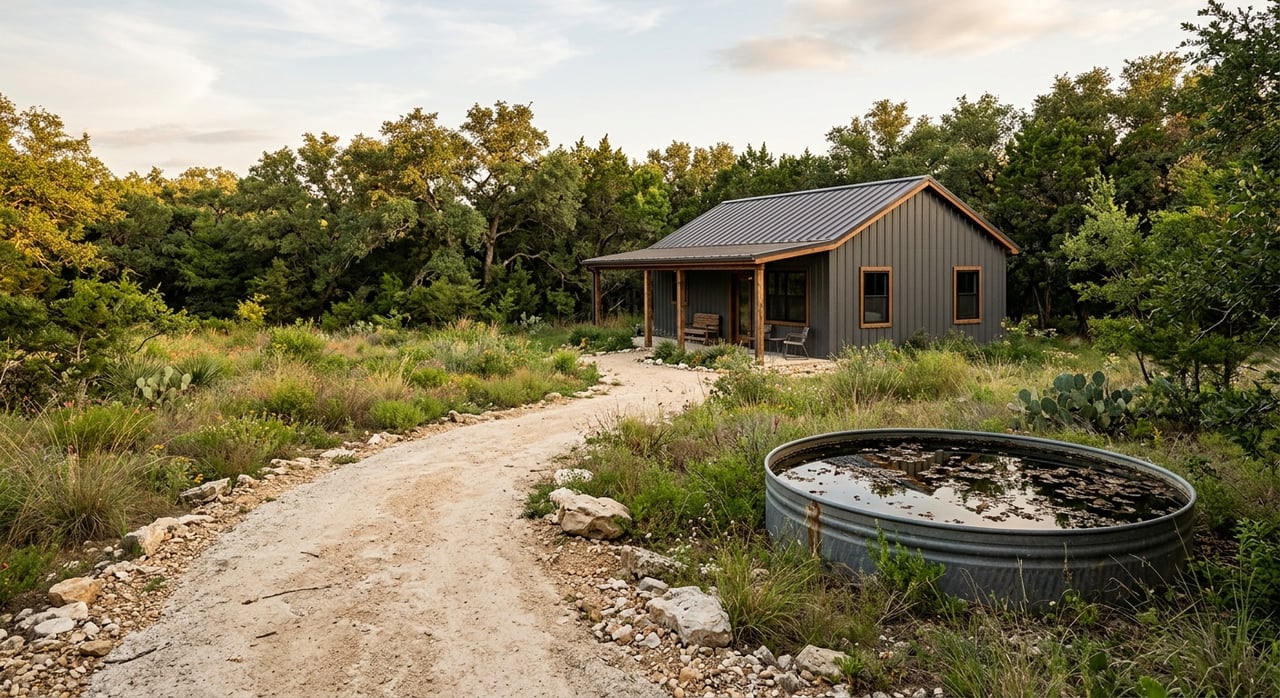
For many buyers, a smaller tract near Comanche means something in the range of about 10 to 30 acres. Based on local use patterns and county standards, that size often works well for a country homesite, a weekend retreat, light recreation, or a very limited agricultural setup. It can also be easier to manage than a larger ranch.
A tract around 20 acres may give you enough room for privacy, a barn, a few animals, or a place to enjoy the outdoors without taking on full-scale ranch demands. Comanche CAD guidelines show that bee keeping may fit on 5 to 20 acres, hay fields may start around 10 acres, and truck farms may work on about 5 acres. That gives smaller acreage some useful flexibility, but it also shows there are limits.
Best fit for 20 acres
A 20-acre tract near Comanche often makes sense if you want:
- A rural homesite with space to spread out
- A weekend getaway
- Light recreation
- Bee keeping
- A small hay field or garden setup
- A very limited livestock use if fencing and water are in place
If your goal is simple country living with some room to breathe, a smaller tract can check a lot of boxes.
Limits of smaller tracts
The main trade-off is operational flexibility. Comanche CAD notes that grazing qualification depends on intensity and function, not acreage alone. The guidelines call for at least three reproducing cows or three breeding mares, along with fencing and a water source.
That means 20 acres may support a small livestock setup, but not every 20-acre tract will perform the same way. Layout, water, grass, and improvements matter just as much as size. A small tract that is mostly homesite may also be treated primarily as residential land, with ag use playing a secondary role.
What larger acreage can offer
Once you move into the 40- to 80-acre range, and especially above 80 acres, the property usually opens up more options. You have more room for grazing, horses, habitat management, recreation, and future changes in use. You also have more space to separate homesite areas from the rest of the land.
For buyers who want cattle, hunting, or a long-term hold, larger acreage often feels more practical. It gives you a better chance to shape the property around your goals instead of trying to make a smaller tract do too much.
Best fit for 80 acres or more
An 80-acre tract or larger often makes sense if you want:
- More room for cattle or horses
- Better hunting and wildlife habitat potential
- Flexibility for mixed use
- Space for future improvements
- A stronger long-term land hold strategy
- More separation between living areas and work or recreation areas
This does not mean every 80-acre tract is automatically better than every 20-acre tract. It means larger properties usually give you more usable options.
Why bigger is not always better
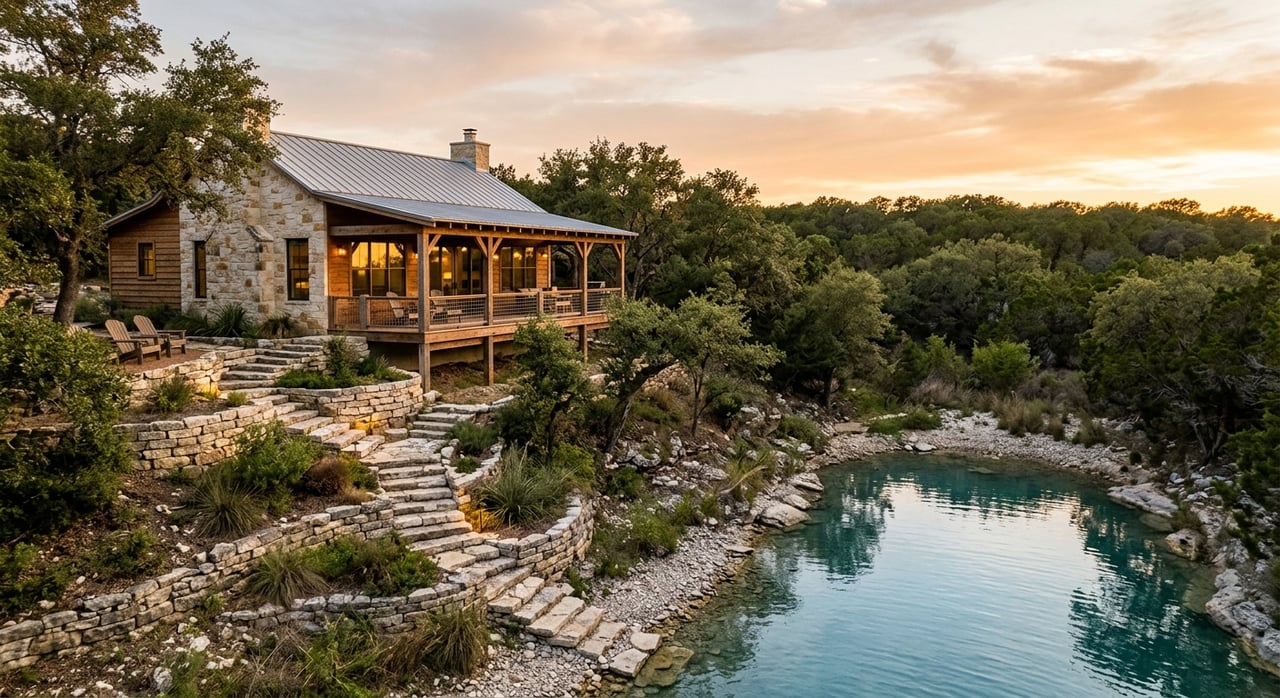
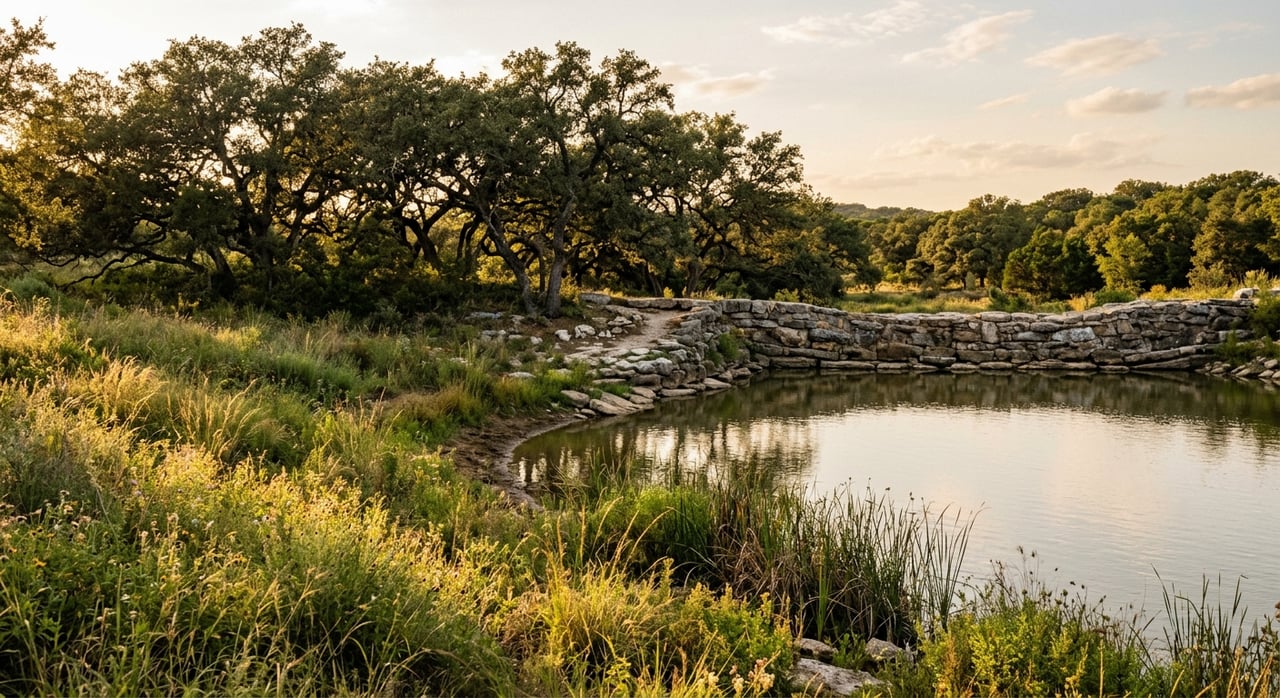
Raw acreage is only part of the story. In the Comanche-area market, buyers place strong value on water features and topographic variety. Regional land data also shows that wooded cover, creeks, ponds, and live-water features can have a major effect on usefulness and value.
That means a smaller tract with a pond, trees, and varied terrain may serve your goals better than a larger flat tract with limited cover or water. If hunting or recreation is high on your list, habitat quality can matter just as much as acreage count.
Comparing small and large acreage
Here is a simple way to think about the trade-offs near Comanche:
| Tract Size | Common Uses | Main Advantages | Main Trade-Offs |
|---|---|---|---|
| 10 to 30 acres | Homesite, weekend use, light recreation, bees, limited ag use | Easier upkeep, lower total purchase price, simpler lifestyle use | Less flexibility, may not support broader ranch use, ag valuation is not automatic |
| 40 to 80 acres | Mixed use, some grazing, horses, more habitat | Better balance of usability and manageability | Higher carrying costs, more upkeep |
| 80+ acres | Livestock, hunting, recreation, long-term hold | More flexibility, more room for improvements and habitat | Larger purchase price, more management responsibility |
This framework is not a legal rule. It is a practical way to match local land use patterns with your actual goals.
Price per acre can surprise you
One of the biggest mistakes buyers make is assuming a smaller tract will always be the cheaper value. It may cost less overall, but not necessarily less on a per-acre basis. Texas A&M rural land research shows that small tracts have made up 55 to 60 percent of statewide annual sales over the last decade and often command higher per-acre prices than larger tracts.
In the 2026 small-versus-large analysis for Region 7, small tracts reached $17,529 per acre compared with $7,911 per acre for large tracts. That does not mean every small tract near Comanche will hit those numbers, but it does show why you should compare both total price and price per acre before deciding.
Taxes and valuation matter more than many buyers expect
If you are comparing acreage sizes, taxes may be one of the most important parts of your budget. In Texas, agricultural and wildlife valuation is a special appraisal based on productive value, not a simple exemption. That distinction matters a great deal.
Comanche CAD’s 2025 annual report shows a major difference between market value and taxable value on qualified land. Open-space land had about $3.82 billion in market value and about $59.6 million in taxable value, while wildlife-management land had about $217.3 million in market value and about $3.07 million in taxable value. That gap can make a major difference in long-term carrying costs.
Common tax mistake on small acreage
A lot of buyers assume any rural tract automatically gets ag treatment. Comanche CAD specifically warns that small tracts marketed primarily for residential use do not qualify for special valuation just because they are rural. Token use is not enough.
The district also notes that a homesite on agricultural land is typically carved out at market value, and one acre is commonly allowed for that homesite. So if you are buying a smaller tract with a house, it is important to understand how much of the land may actually qualify and how much may be taxed at market value.
Rollback tax risk
Another issue to keep in mind is rollback tax. If land changes from qualifying agricultural use to non-ag use, the prior three years of tax savings can be recaptured. That can become a real cost issue if you buy land without fully understanding its current valuation and intended future use.
This is one reason it helps to look beyond the sales sheet. You want to know not just what the land is today, but how your plans could affect taxes down the road.
Wildlife management as an option
If wildlife is part of your plan, larger acreage is often helpful, but it is not the only path. Texas Parks and Wildlife notes that there is no statewide minimum acreage requirement for wildlife management unless the tract was reduced in acreage since the prior January 1. The land must already qualify as open-space land, and the owner must have a wildlife management plan, file an annual report, and actively complete at least three of seven approved wildlife practices.
That means wildlife management is possible on some smaller tracts, depending on the property history and the details of the land. It is not automatic, and it is not a shortcut around qualification rules. Still, for the right buyer and tract, it can be an important factor to explore.
How to choose the right acreage for you
If you are deciding between small and large acreage near Comanche, start with your actual use case. Be honest about whether you want a manageable weekend place, a country homesite, room for a few animals, or a tract with more serious cattle, hunting, or habitat potential. Your best choice should match your day-to-day plans, not just a dream version of land ownership.
It also helps to look closely at the land itself. Water, fencing, cover, topography, and current use can all matter more than the exact acreage count. Two tracts with the same number of acres can live very differently on the ground.
For many buyers, the real question is not small versus large. It is whether the property gives you the right mix of usability, flexibility, carrying cost, and long-term value.
If you want help sorting through acreage options near Comanche, the team at Ridge Taylor brings deep North Central Texas land experience and a straightforward approach to ranch, recreational, and rural property decisions.
FAQs
Is 20 acres enough for a ranch near Comanche?
- Usually, 20 acres works better for a homesite, weekend place, light recreation, bee keeping, or a very limited livestock setup than for a broader ranch operation.
Is 80 acres automatically better than 20 acres near Comanche?
- No. An 80-acre tract usually gives you more flexibility, but a smaller tract with good water, cover, and terrain may fit your goals better.
Does small acreage near Comanche automatically qualify for ag valuation?
- No. Comanche CAD says rural land does not qualify just because it is rural, and qualification depends on real agricultural intensity and use.
Does wildlife management require a huge tract in Texas?
- No. Texas Parks and Wildlife says there is no statewide minimum acreage unless the tract has been reduced in size, but the land must meet open-space and wildlife-management requirements.
What features matter most for hunting land near Comanche?
- In this market, water features, cover, and topographic variety are key factors that can matter as much as the total number of acres.