Looking for a place where your weekends can slow down without feeling disconnected from real Texas land? Around Comanche, a ranch can be more than a getaway. It can be a practical mix of hunting, habitat work, family time, and long-term land value. If you are thinking about buying, improving, or holding a weekend place here, this guide will help you understand what makes the area work and what to look for before you make a move. Let’s dive in.
Why Comanche works for weekend ranch life
Comanche County sits in the Cross Timbers and Prairies region, where prairie ground, wooded bands, and mixed wildlife create a classic North Central Texas setting. Conditions are shaped by variable rainfall, warm temperatures, and the kind of weather that makes water, shade, and cover just as important as scenic views.
That matters because a good weekend ranch around Comanche is usually not just about recreation. It is about how the land functions across the year. A tract that supports grazing, wildlife, and family use often feels more useful and more sustainable over time.
The county also has a strong working-land identity. According to the 2022 Census of Agriculture, Comanche County has 1,500 farms and 596,256 acres in farms, with pastureland making up 370,482 acres. Agricultural sales are heavily tied to livestock, poultry, and related products, which reinforces the idea that land here is still used in practical ways.
Ranching and recreation go together
In Comanche County, the appeal is not a polished resort version of country life. It is a grounded setup where a place can serve as a family retreat while still fitting the local pattern of pasture, livestock, habitat, and stewardship.
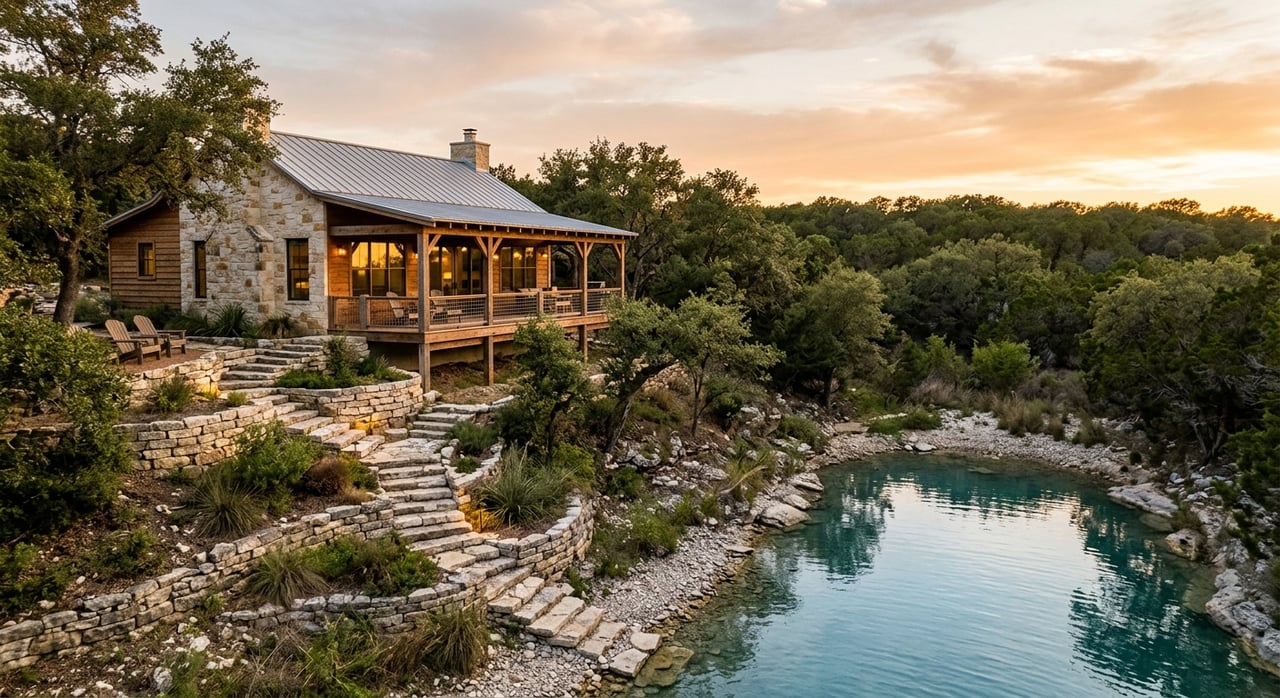
That is one reason weekend buyers are drawn to this area. You can look for a tract that gives you room to hunt, maintain trails, improve water, and enjoy time outdoors, while still owning land that fits the broader ranch and farm character of the county.
Texas Parks and Wildlife notes that almost all habitat in North Central Texas is on privately owned farms and ranches. In plain terms, that means private-land stewardship is a big part of what makes a property successful here.
Wildlife seasons shape the weekend calendar
A weekend ranch feels different depending on the time of year. Around Comanche, wildlife patterns naturally shape how owners use their land, from fall deer activity to spring turkey season and warm-weather habitat work.
If you are shopping for a hunting place, it helps to think beyond one season. The best tracts often support several kinds of use, which makes the property feel valuable even on weekends when you are not actively hunting.
White-tailed deer in Comanche County
White-tailed deer are the core species for many buyers looking at recreational land near Comanche. In the Cross Timbers, Texas Parks and Wildlife shows the breeding window runs roughly from mid-October through mid-December, with average breeding dates around mid-November.
Many hunters notice more deer movement during cool weather and after the first strong norther. That is part of why late fall and early winter often become the busiest weekends on a deer property. Comanche County is in the North Zone for deer, and North Zone antler restrictions apply.
Dove season and early fall use
Mourning doves bring a different energy to a weekend place. North Central Texas supports resident mourning doves year-round, and migrants move into the region during late summer and fall as temperatures begin to cool.
Large concentrations can gather around agricultural fields, native sunflowers, and waste grain. Cold fronts in September and October can also bring more birds into the area. Comanche County is in the Central Zone for dove hunting.
Turkey and quail habitat needs
Rio Grande turkeys add another layer to the annual rhythm. Their numbers can change from year to year based on rainfall, nesting success, and habitat quality, and they depend on a mix of tall roost trees, ground vegetation, brush, and riparian cover.
Bobwhite quail are even more tied to habitat quality. Their numbers respond to rainfall, perennial grasses, forbs, and woody escape cover. Texas Parks and Wildlife notes that larger, connected acreage gives landowners a better chance of maintaining huntable populations.
What makes a tract feel like a real weekend place
Not every rural property feels easy to use on a Friday night or Saturday morning. Some land looks good on paper but becomes inconvenient once you start thinking about parking, moving gear, checking water, or getting from a cabin to a blind before daylight.
A practical weekend ranch usually works because the basics are in place and the layout makes sense. Texas Parks and Wildlife frames wildlife needs around four essentials: food, water, cover, and space. For buyers, that same framework is a smart way to evaluate whether a tract can serve both wildlife and people.
Start with habitat, not extras
Feeders and food plots can help, but they come after habitat. Strong native cover, usable water, and enough room for wildlife movement usually matter more than add-on features.
If you are comparing properties, pay close attention to the land itself. A place with brush diversity, shaded areas, and reliable water often offers more long-term value than one that relies mostly on equipment or seasonal inputs.
Water matters in North Central Texas
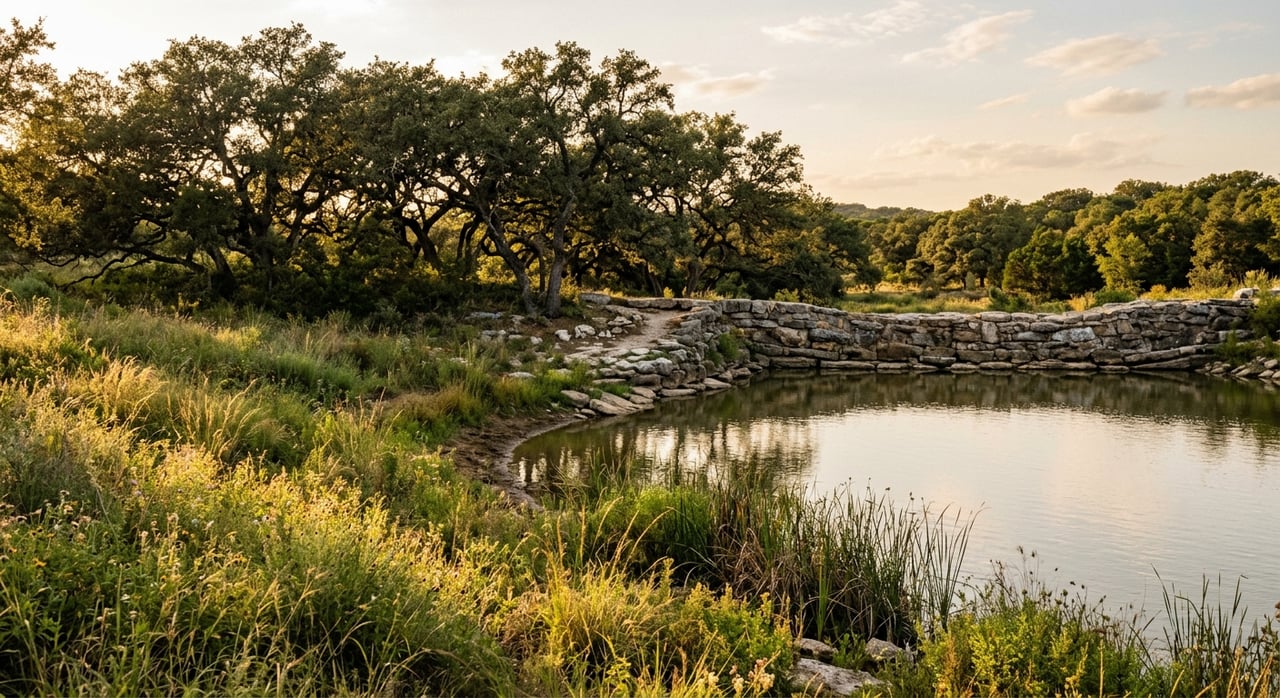
With the area’s hot, variable conditions, water is a big piece of the puzzle. Year-round water sources can make a major difference, especially on smaller tracts.
For a weekend owner, water also adds day-to-day usability. It supports wildlife, helps shape grazing and habitat decisions, and often becomes one of the first features people ask about when evaluating a property.
Access and movement should be simple
Comanche CAD’s wildlife-management guidance asks owners to map features like feeders, food plots, water, paths, brush piles, and burn areas. While that is not a road standard, it does reflect how important layout is when land is actively used and managed.
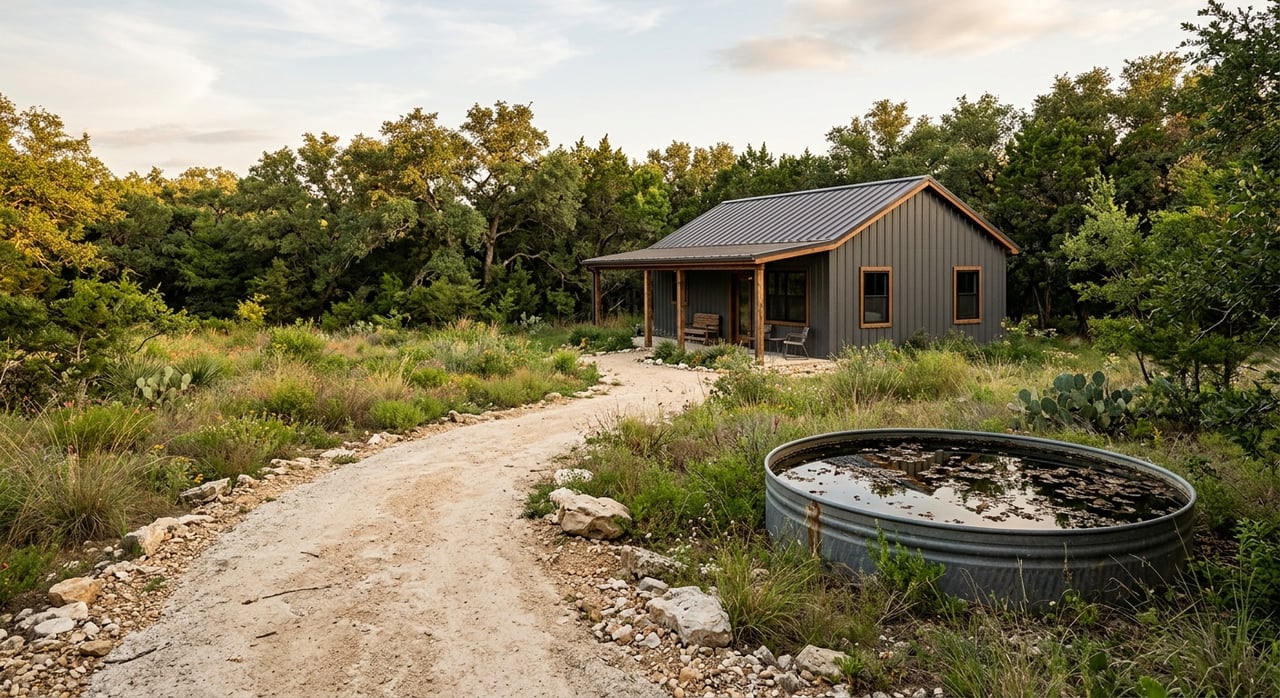
A property tends to feel more enjoyable when access is simple and deliberate. You want a place where the movement between the entry, base camp, tanks, blinds, and work areas feels natural rather than frustrating.
A basic camp can go a long way
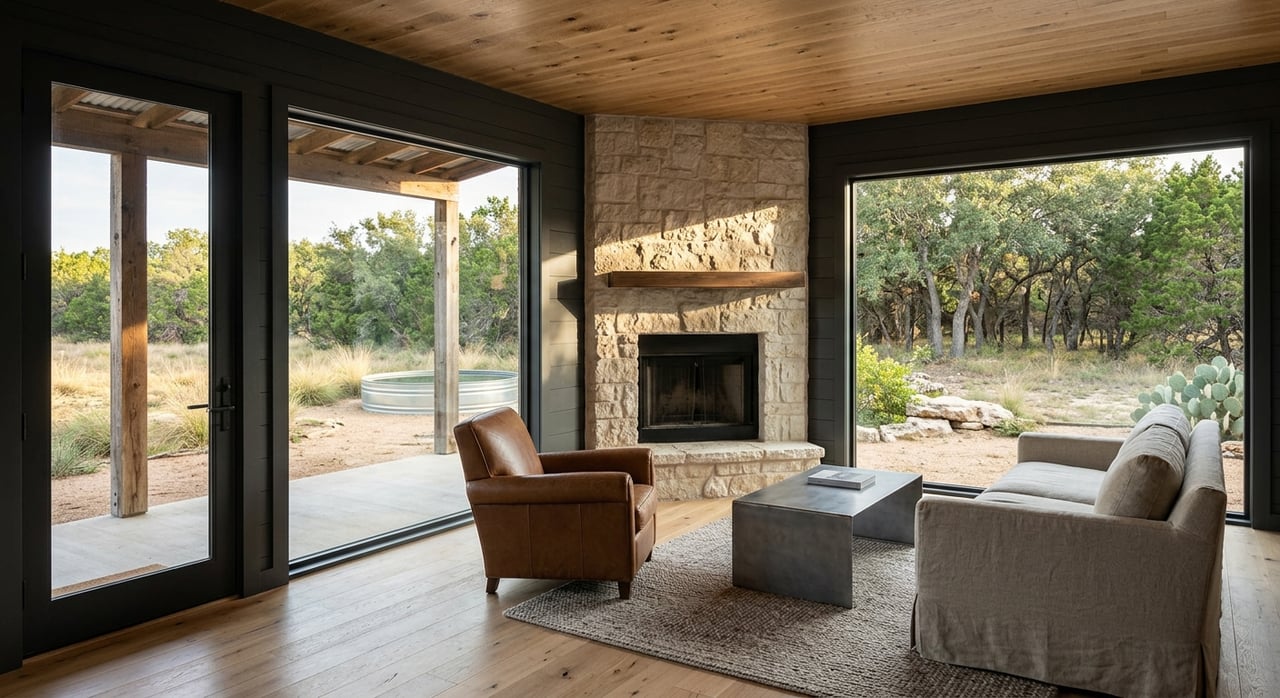
A weekend ranch does not need to be overly built out to be enjoyable. In many cases, a simple setup with practical access, shade, and a clear home base creates the best experience.
That could mean a cabin, a modest home on acreage, or just a straightforward gathering point for family weekends. What matters is that the improvements fit the land and support the kind of use you actually want.
How many acres are enough?
This is one of the most common questions buyers ask, and the honest answer is that it depends on your expectations. Texas Parks and Wildlife notes that smaller properties can still support meaningful habitat improvements, especially when owners focus on basics like water, cover, and food.
At the same time, white-tailed deer and wild turkeys may range over a square mile or more. Quail do best where habitat is larger and more connected. So a smaller tract can absolutely work as a weekend place, but larger or better-connected acreage may offer more flexibility for hunting and habitat goals.
The right acreage is often the amount you can realistically enjoy and maintain. A manageable tract with good habitat and usable access may serve you better than more acres that are harder to improve or navigate.
Stewardship is part of the lifestyle
The best Comanche-area weekend places usually do not stay good by accident. They improve because owners pay attention to the land and make thoughtful decisions over time.
Texas Parks and Wildlife points to tools like brush management, grazing management, prescribed burning, erosion control, and deer harvest management as important ways to maintain open-but-not-bare habitat. That kind of stewardship supports both wildlife and working-land use.
For many families, that is part of the appeal. A ranch becomes a place where you are not just spending weekends, but also building something lasting through better habitat, better access, and a healthier piece of ground.
Wildlife management and ag valuation
If you already own family land, or you are thinking about buying a tract with a long-term plan, wildlife management appraisal is an important local topic. Texas Parks and Wildlife describes it as the same tax break as agricultural valuation, intended for land already in agricultural use.
Comanche CAD says the property must have prior agricultural-use history and fall within the Cross Timbers and Prairies region. Owners must carry out at least 3 of 7 qualifying activities, including options such as habitat control, erosion control, supplemental water, supplemental food, shelter, predator control, and census counts.
Just as important, Comanche CAD says landowners may still hunt and graze livestock. That makes wildlife management a practical bridge between a productive tract and a recreation-focused family property.
Weekend life with a long view
The appeal of Comanche is not just that you can hunt there. It is that the land can support several goals at once. You can spend a morning in a blind, an afternoon checking water or trails, and an evening around camp with family, all on a property that still fits the local working-land pattern.
That kind of flexibility matters to buyers and landowners alike. Whether you are looking for 30 acres, 100 acres, or a larger legacy tract, the strongest properties usually combine usable habitat, practical access, and a layout that makes people want to come back every weekend.
If you are weighing ranchland around Comanche, it helps to have local guidance from people who understand how hunting appeal, water, access, and long-term land use come together. When you are ready to talk through acreage, habitat, and what makes a tract truly usable, connect with Ridge Taylor.
FAQs
What makes Comanche County a good fit for a weekend ranch?
- Comanche County combines working-land character, private-land wildlife habitat, pasture-focused acreage, and recreational use that fits naturally with ranch ownership.
How much acreage do you need for a weekend hunting ranch near Comanche?
- Smaller tracts can still work well for weekend use and habitat projects, but deer and turkeys use larger ranges, and quail habitat usually improves with larger, connected acreage.
What should you look for first on recreational land around Comanche?
- Start with habitat quality, reliable water, practical access, and a simple base camp layout before focusing on extras like feeders or food plots.
Can you hunt and still keep agricultural treatment under wildlife management in Comanche County?
- Yes, if the property qualifies and meets Comanche CAD and Texas Parks and Wildlife requirements, landowners may still hunt and graze livestock under wildlife management appraisal.
What wildlife seasons are most important for weekend use around Comanche?
- Deer activity often peaks in late fall and early winter, dove hunting is shaped by late summer and fall migration, and turkey and quail use depend heavily on season and habitat conditions.
Do you need a hunting license to hunt in Comanche County?
- Yes, Texas requires residents and visitors to have the proper hunting license, and certain game may involve specific endorsements or reporting requirements.